01 of 15 in the register · Red · Coldbank Rake · 2 November 2024
Erythrite
Co₃(AsO₄)₂·8H₂O · Mohs 1.5 – 2.5
Cobalt bloom, on a rake that was worked for lead and gave nothing worth the trouble. Soft enough that the specimen is mostly gone.
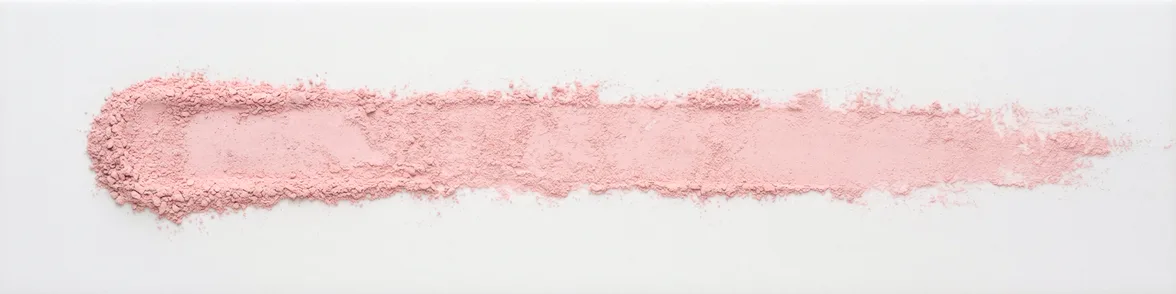
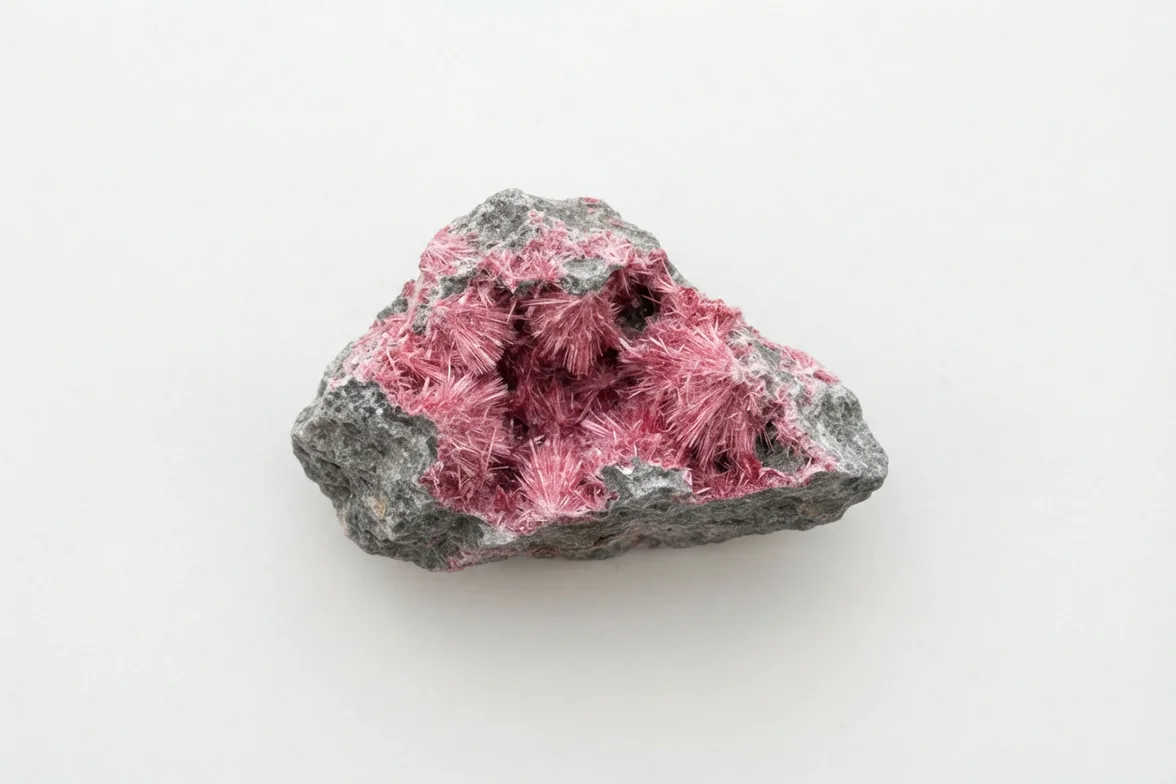
| Body colour | crimson bloom on grey rock |
|---|---|
| Streak | pale crimson |
| Measured | #f1c4c2 |
| Deposit | 97.94% |
| Lightness | 83.01 |
| Chroma | 17.04 |
| Hue | 23.8° |
| Hardness | 1.5 – 2.5 |
| Locality | Coldbank Rake |
| Written | 2 November 2024 |
Cobalt bloom, which is the old miners’ name and the better one: it does look like something growing. The pink sits in the hollows of a grey lump of wall rock in a mat of needles too fine to see individually, and where the rock is proud of the surrounding surface there is none of it, because the wind has taken it.
Coldbank was worked along the vein for lead and abandoned for lead. The interesting things there are all in the wall rock rather than in the vein, which is a fair description of most of this district. If you are looking at the vein you are looking at what somebody already took.
Erythrite is a hydrated cobalt arsenate and it is soft — under Mohs 2.5, which means the plate takes a great deal more of it than one stroke ought to. The specimen is measurably smaller than it was, and I have not streaked it a second time. The powder came out a good deal paler than the mineral looks, which is the ordinary behaviour: crushing anything scatters light off the new faces and everything lightens on the plate. The crimson survives the pale, though, and it is the crimson that says cobalt.
Its hue angle lands within ten degrees of cinnabar’s. Two entries a fortnight apart in the writing, at opposite ends of what they look like, sitting next to each other in the register because the plate cannot tell them apart by direction — only by how much. That is the argument for sorting this way, made once, without me having to make it.